
Calm Choices Wall for Early Years: A Practical Classroom Display That Actually Works
Walk into most infant classrooms and you’ll see beautiful displays. Alphabet lines. Number charts. Seasonal artwork.
But when a four-year-old is lying on the carpet, fists clenched because tidy-up came too fast — none of those help.
Across junior infant and Reception classrooms in Dublin, Kildare and Cork, one pattern shows up again and again: children are being told to calm down without being shown how.
A well-designed Calm Choices Wall changes that. When it’s structured properly, it becomes a working regulation tool — not just a display.
What Is a Calm Choices Wall (And Why It Works)
A Calm Choices Wall is a visual classroom regulation display that helps young children:
Notice how their body feels
Identify early signs of dysregulation
Choose a simple strategy
Practise emotional regulation skills
It is not:
A time-out board
A behaviour warning chart
A consequence tracker
It is a self-regulation teaching tool embedded into daily classroom life.
Moving Beyond Behaviour Charts
Traditional systems — traffic lights, name moving, green-to-red boards — focus on compliance.
They tell a child:
“Stop.”
They rarely teach:
“Here’s what to do instead.”
A Calm Choices Wall shifts the language from:
“Stop that behaviour.”
to
“What does your body need right now?”
In early years emotional regulation, that shift matters. Children begin to link body signals with strategies. Over time, that builds independence.
Why Visual Regulation Supports Work for 3–7 Year Olds
Young children:
Think visually
Lose language processing when overwhelmed
Need concrete, repeatable options
When a child is dysregulated, their ability to process verbal instruction drops. Long explanations won’t land.
A clear image of “wall push-ups” or “balloon breathing” is far easier to access than a sentence about calming strategies.
In simple terms:
Pictures work when feelings are big.
What to Include on a Calm Choices Wall for Young Children
Keep it structured. Keep it minimal.
Over-designed regulation walls create more overwhelm.
1. “How Does My Body Feel?” Check-In Section
Focus on body cues, not abstract emotional vocabulary.
Include 4–6 simple body states:
Tired
Wiggly
Angry
Sad
Excited
Tight
Use real photographs of children demonstrating body signals where possible:



Real photos:
Improve recognition
Support children with additional needs
Generalise better to real situations
Use consistent wording:
“My body feels wiggly.”
“My body feels tight.”
“My body feels low.”
Keep language concrete. Avoid abstract emotion charts with 20 facial expressions.
2. 5–8 Simple Calm Choices (Keep It Manageable)
Children do not need 20 strategies. Too many options increase cognitive load.
In Irish infant classrooms, these six consistently work:
Take 5 balloon breaths
Do wall push-ups
Squeeze a soft toy
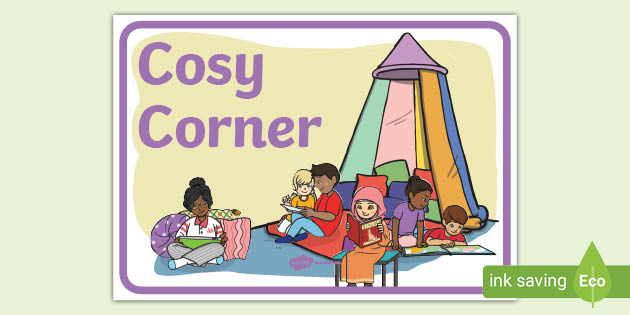
Sit in the cosy corner
Ask for help
Drink water


Why fewer is better:
Staff can model consistently
Children remember them
Reduces decision fatigue
Builds independence
Only include strategies that are realistic for your room.
If you don’t have space for movement, don’t include star jumps.
Design Rules That Make or Break the Wall
This is where many schools unintentionally undermine the idea.
Keep It Low and Accessible
The Calm Choices Wall must sit at child eye level — not above the interactive whiteboard.
Children should be able to:
Touch it
Point to it
Use it without being lifted
If they can’t reach it, they won’t use it independently.
Use Real Photos Over Cartoons
Cartoons are visually appealing — but less effective for regulation teaching.
Real images:
Increase transfer to real behaviour
Support neurodivergent learners
Reduce confusion
If possible, photograph pupils (with consent) modelling each strategy. Ownership increases use.
Avoid Overstimulation
I’ve seen classroom regulation displays with:
Glitter borders
Neon backgrounds
15 different fonts
20+ strategies
Remember — this display is for children who are already overwhelmed.
Keep it:
Neutral backing
Clear spacing
Calm tones
Minimal text
The wall itself should not activate the nervous system.
Pair It With a Physical Regulation Space
A Calm Choices Wall works best when it leads somewhere tangible:
A cosy corner
A small regulation station
A sensory basket
A beanbag and weighted lap pad
For example:
If the card says “Sit in cosy corner,” the space should be clearly visible beside the display.
For practical sensory setup guidance, see:
👉 https://sensory-sphere.com/sensory-room-in-school
👉 https://sensory-sphere.com/classroom-regulation-ideas
How to Introduce the Calm Choices Wall (So Children Actually Use It)
A display only works if explicitly taught.
Model During Calm Times
Never introduce it during a meltdown.
Instead:
Teach during circle time
Role-play each choice
Practise breathing as a class
Demonstrate how to choose
Regulation is a skill. Skills require repetition.
Make It a Whole-Class Routine
Try a 2-minute morning check-in:
“Point to how your body feels today.”
Then model:
“My body feels wiggly. I’m going to do 5 wall push-ups before phonics.”
This normalises regulation for everyone — not just children who struggle.
Use Co-Regulation First
Independence comes later.
Instead of:
“Go to the calm wall.”
Try:
“I can see your body looks tight. Let’s look at our calm choices together.”
Over time, children begin to initiate independently.
Real Classroom Scenario
In a junior infants classroom in County Kildare, mid-morning transitions were triggering meltdowns — particularly moving from play to phonics.
We introduced:
A Calm Choices Wall at child height
Six consistent strategies
A daily two-minute modelling routine
Within three weeks:
Children began pointing to “wiggly” before carpet time
Two pupils independently chose wall push-ups
Requests for the cosy corner increased — incidents decreased
No magic system.
No sticker charts.
Just consistent modelling and accessible tools.
The teacher put it simply:
“It’s the first time they’ve had something to do instead of just being told to calm down.”
That’s the difference.
Common Mistakes Schools Make
Watch for these:
Turning it into a time-out area
Forcing children to choose
Only referencing it during behaviour incidents
Staff using inconsistent language
Overloading it with options
A Calm Choices Wall should feel supportive — not corrective.
Simple Wording You Can Use on the Wall
Header:
“What Does My Body Need?”
Body Check-In:
“My body feels wiggly.”
“My body feels tight.”
“My body feels low.”
Strategy Prompt:
“I can try…”
Short. Clear. Repeatable.
Final Thoughts
If you’d like a ready-to-print A3 version of the Calm Choices Wall used in Irish infant classrooms, the resource is available free here:
👉 https://www.patreon.com/posts/calm-choices-a3-151021751?utm_medium=clipboard_copy&utm_source=copyLink&utm_campaign=postshare_creator&utm_content=join_link
It includes:
Child-friendly body check-in visuals
Six practical calm choices
Clear, uncluttered layout suitable for infant classrooms
Print-ready A3 formatting
For more classroom regulation strategies and sensory-informed supports, explore:
👉 https://sensory-sphere.com
Small changes to your walls can create big shifts in how children experience their school day.
