How to Secure Funding for a School Sensory Room in Ireland and the UK (Step-by-Step Guide for 2026)
How to Secure Funding for a School Sensory Room in Ireland and the UK (Step-by-Step Guide for 2026)
Demand for sensory spaces is rising across mainstream and special schools — but budgets remain tight.
In 2026,school sensory room fundingisn’t about finding a mystery grant. It’s about aligning your project with existing SEN, inclusion and wellbeing budgets — and presenting a clear, evidence-based case.
At Sensory Sphere, we’ve supported schools across Ireland and the UK to move from “We need this” to “It’s approved.” This guide shows you how.
Why Schools Struggle to Fund Sensory Rooms
Competing Budget Priorities
Headteachers are balancing:
Staffing pressures
Energy and maintenance costs
Digital upgrades
Intervention programmes
A sensory room can feel like an enhancement — even when behaviour logs suggest it’s essential infrastructure.
The shift happens when you position the room as aregulation provision, not a wellbeing extra.
Misconceptions About Cost
Many schools assume a full refurbishment costing £20,000–£40,000.
In practice:
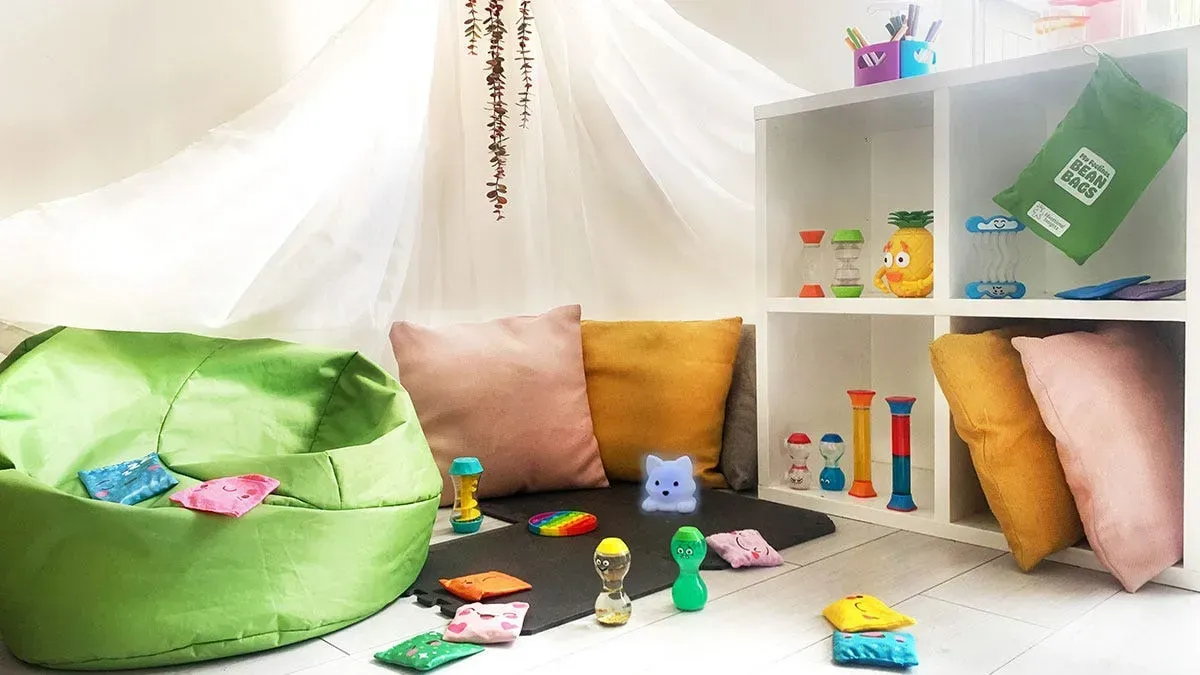
A classroom regulation corner can start from £3,000–£6,000
Existing intervention rooms can be adapted
Installations can be phased over 2–3 financial years
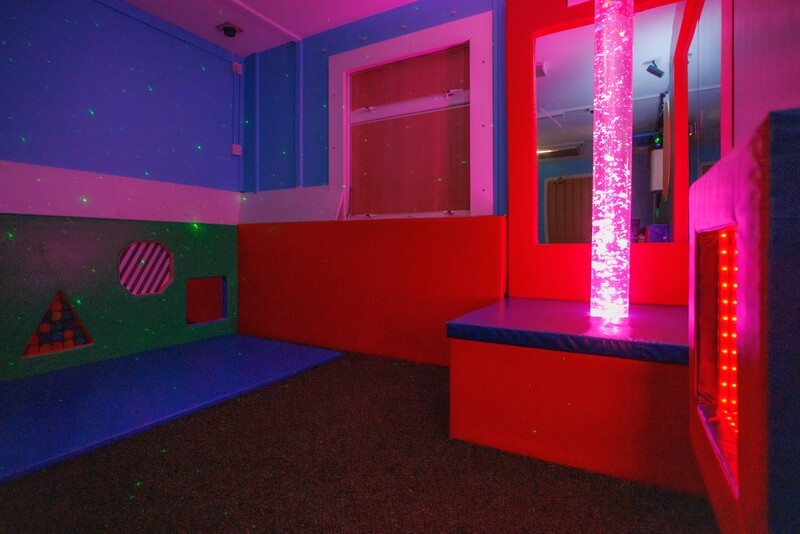
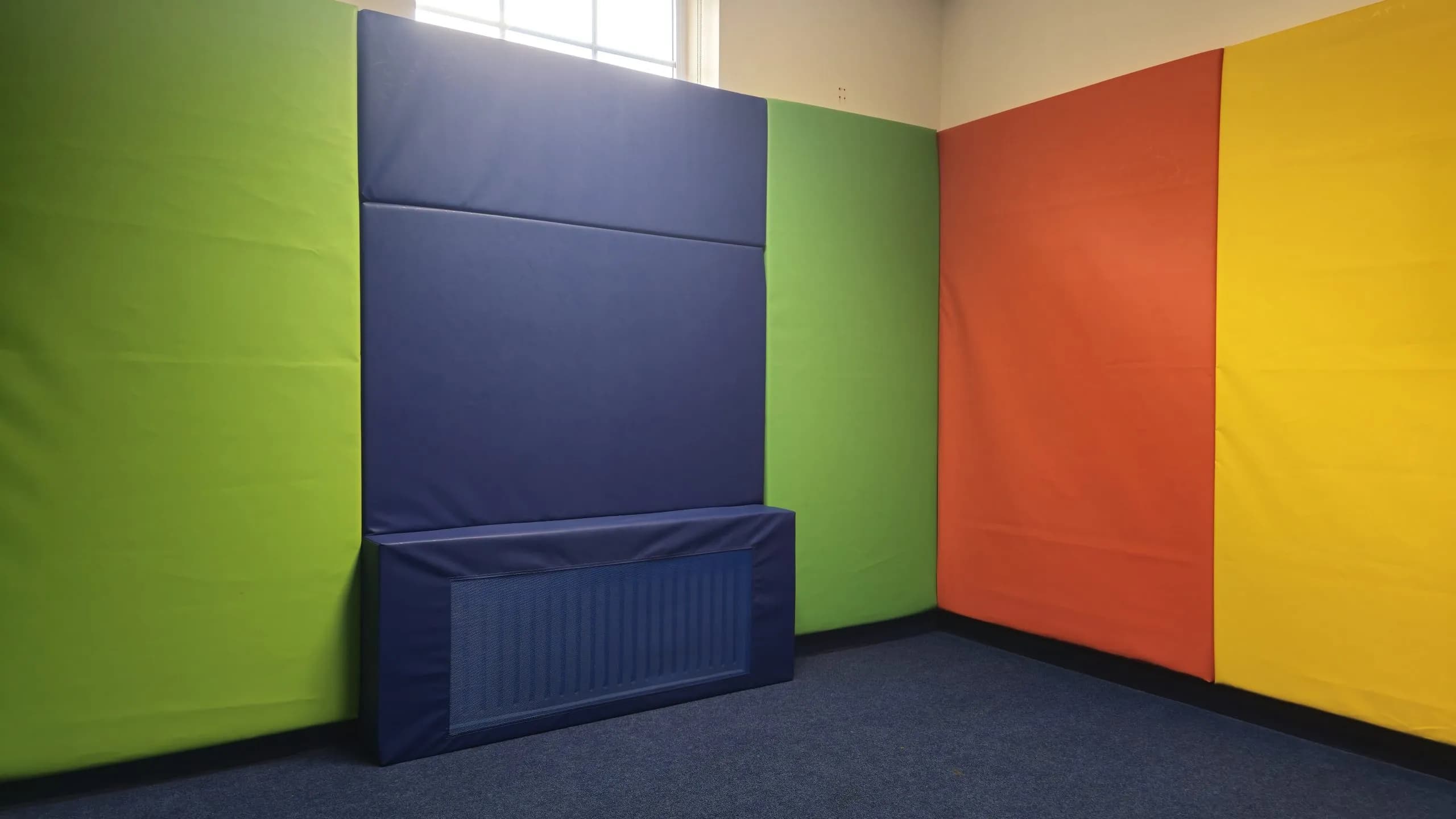
Here’s what different scales look like:

4
Small changes often deliver immediate impact.
If you're unsure what scale is realistic, start with our guide:
👉https://sensory-sphere.com/what-is-a-sensory-room-and-who-is-it-for/
Lack of Clarity on Funding Streams
There isn’t a labelled “sensory room grant.”
Funding is usually drawn from:
SEN allocations
Inclusion budgets
Capital works funding
Community grants
Pupil Premium (UK)
The key is alignment — not a standalone pot.
Funding Options for Schools in the UK
SEN and High Needs Block Funding
Local authorities distribute High Needs Block funding through the Dedicated Schools Grant.
A sensory space is easier to justify when linked to:
EHCP provision requirements
Documented dysregulation incidents
Structured sensory break plans
Reduced classroom learning time
When presented as provision for identified pupils — not a general upgrade — approval rates improve significantly.
Pupil Premium Allocation
Pupil Premium is frequently underused for regulation spaces.
If you can demonstrate:
Attendance gaps among disadvantaged pupils
Behaviour incidents linked to emotional regulation
Reduced access to curriculum time
a sensory room becomes part of targeted intervention.
PTA and Community Fundraising
PTAs respond well to visible, tangible outcomes.
Instead of “Help fund a sensory room,” try:
“£750 funds a sensory lighting system.”
“£1,200 installs padded wall protection.”
“£3,000 creates a calm regulation corner.”
Clear milestones make fundraising achievable.
Charitable Grants and Trusts
When searching forsensory room grants UK, look at charities funding:
Disability inclusion
Child mental health
Community wellbeing
Early intervention
Strong applications show measurable impact — not just good intentions.
Local Authority Capital Funding
If your project includes:
Flooring upgrades
Partition walls
Electrical work
Lighting installation
it may qualify under small capital works funding.
Position it as:
Accessibility improvement
Inclusion compliance
Health and safety enhancement
Funding Options for Schools in Ireland
Department of Education SEN Grants
UnderSEN funding Ireland, annual allocations can support environmental adjustments where linked to identified needs.
A sensory room aligns when framed as:
Preventative behaviour intervention
Structured regulation support
Inclusive infrastructure
Avoid presenting it as a “wellbeing upgrade.”
NCSE Supports and Assistive Technology Schemes
National Council for Special Education(NCSE) supports schools through targeted resources.
While not a direct sensory room fund, elements such as:
Specialist sensory equipment
Environmental supports
Assistive technology
can form part of a broader provision plan.
Official guidance:
👉https://ncse.ie
School Completion Programme Links
For DEIS schools, regulation spaces can directly support:
Attendance improvement
Engagement targets
Retention strategies
Frame the room as a protective factor for pupils at risk of disengagement.
Corporate Social Responsibility (CSR) Partnerships
Local businesses often fund:
Construction materials
Lighting systems
Sponsorship of equipment
Successful applications include:
A defined budget
Measurable impact targets
Public acknowledgement plan
Step-by-Step: Writing a Strong Sensory Room Funding Proposal
This is where many schools hesitate. In reality, strongfunding applications for schoolsfollow five practical steps.
1. Define the Need With Data
Avoid vague statements.
Instead include:
Behaviour incident frequency
Suspension or removal data
Attendance concerns
Number of pupils requiring regulation breaks
Example:
A 420-pupil mainstream primary in Co. Meath logged:
37 behaviour removals in one term
18 pupils regularly accessing corridor “cool-down” space
12 staff reporting lost instructional time daily
That data secured approval within one funding cycle.
For evidence-based justification, see:
👉https://sensory-sphere.com/measurable-impact-of-sensory-rooms-on-behaviour-and-attendance/
2. Link to Policy
Reference:
School Improvement Plan
Wellbeing Policy
Inclusion Statement
Anti-bullying strategy
Funding panels look for strategic alignment — not isolated ideas.
3. Demonstrate Measurable Outcomes
Be specific:
Reduce behaviour removals by 25% over two terms
Increase average attendance of identified pupils by 3%
Improve time-on-task in post-break sessions
Avoid promising unrealistic transformations.
4. Provide a Clear Cost Breakdown
Break down:
Equipment
Installation
Electrical work
Flooring
Staff training
Detailed quotations strengthen confidence.
5. Show Sustainability
Include:
Staff training plan
Usage timetable
Maintenance strategy
Review points (e.g., 6-month impact audit)
Funders want long-term value.
How Much Does a School Sensory Room Actually Cost?
Small Regulation Corners vs Full Sensory Rooms


4
Small Regulation Zone:
Soft seating
Weighted resources
Bubble tube
Wall panels
Full Sensory Room:
Padded walls
Interactive lighting
Projection system
Sound system
Crash mats
Costs vary depending on scale and refurbishment needs.
For practical design considerations, see:
👉https://sensory-sphere.com/how-to-design-a-regulation-space-in-a-mainstream-classroom/
Phased Installation Options
Many schools adopt a 2–3 year plan:
Year 1 – Core equipment
Year 2 – Lighting and sensory upgrades
Year 3 – Flooring and staff CPD
This makesschool sensory room fundingmanageable.
Long-Term Cost Savings
Schools commonly report:
Fewer classroom evacuations
Reduced internal exclusions
Improved engagement time
Increased staff confidence managing dysregulation
We never promise miracles — but structured regulation spaces reduce reactive firefighting.
Common Funding Application Mistakes to Avoid
Being Too Vague
“Improves wellbeing” is not measurable.
Say:
“Reduce behaviour removals by 25% across two terms.”
Overdesigning the Proposal
Detailed architectural drawings are rarely needed at application stage.
Start with a practical concept and costed outline.
Not Consulting Staff First
Before applying, clarify:
Who supervises
When pupils access the room
Referral system
Staff training needs
Internal resistance often sinks funded projects.
How Sensory Sphere Supports Schools Through the Funding Process
We don’t just supply equipment.
We support schools through the full funding journey.
Consultation and Needs Assessment
We review:
Behaviour data
Pupil profile
Available space
Budget parameters
Detailed Quotations for Grant Applications
Clear, itemised quotes strengthenfunding applications for schools.
Panels want precision — not rough estimates.
Evidence-Based Design Rationale
We provide written justification outlining:
Regulation purpose
Inclusion alignment
Expected measurable outcomes
Installation and Staff Training Support
A sensory room is only effective if embedded properly.
We support:
Structured usage planning
Staff training
Post-installation review
Final Thoughts
Securingschool sensory room fundingin Ireland and the UK isn’t about luck.
It’s about:
Aligning with inclusion priorities
Using real behaviour data
Presenting realistic outcomes
Phasing strategically
When sensory spaces are positioned as essential regulation infrastructure, funding conversations change.
Planning a sensory room but unsure how to fund it?
Book a free consultation with Sensory Sphere and receive:
A tailored cost estimate
A funding justification template
Guidance on suitable grant routes in your region
👉https://sensory-sphere.com/contact/
Turn your inclusion plan into a funded, functional regulation space.
