Is It Sensory Seeking or Just “Messing About”? How to Tell the Difference in School
Across Ireland and the UK, I’m hearing the same thing from principals and SENCOs:
“We’re not dealing with major behaviour incidents — it’s the constant low-level disruption.”
Chair tipping. Tapping. Rocking. Crashing into tables. Endless fidgeting.
It’s often dismissed as attention-seeking, poor discipline, or simply “messing about”.
But in many cases, what looks like disruption is actually sensory seeking behaviour in school — a pupil trying to regulate their nervous system in the only way they know how.
If we mislabel regulation as misbehaviour, we risk escalating situations unnecessarily. If we understand it properly, we can respond in ways that support both the pupil and the wider class.
Why “Messing About” Isn’t Always What It Seems
The Difference Between Behaviour and Regulation
All behaviour communicates something.
Traditional behaviour systems assume a pupil is choosing to act out. Sometimes that’s true.
But sometimes, the child isn’t trying to break rules at all — they’re trying to:
Stay alert during long writing blocks
Stay calm in a noisy classroom
Cope with overwhelm during assemblies
Wake up their body after lunch
Block out distracting sensory input
That’s not defiance. That’s regulation.
For a clear evidence base in Irish schools, the NCSE Sensory Spaces in Schools guidance is worth reviewing:
https://ncse.ie/wp-content/uploads/2025/03/Sensory-Spaces-in-Schools.pdf
What Sensory Seeking Actually Looks Like in School
Sensory seeking happens when a pupil’s nervous system needs more input to feel organised. They may seek:
Movement (vestibular input)
Pressure or resistance (proprioceptive input)
Touch
Sound
Oral input (chewing, biting)
In a busy primary classroom, this doesn’t look clinical. It looks like disruption.
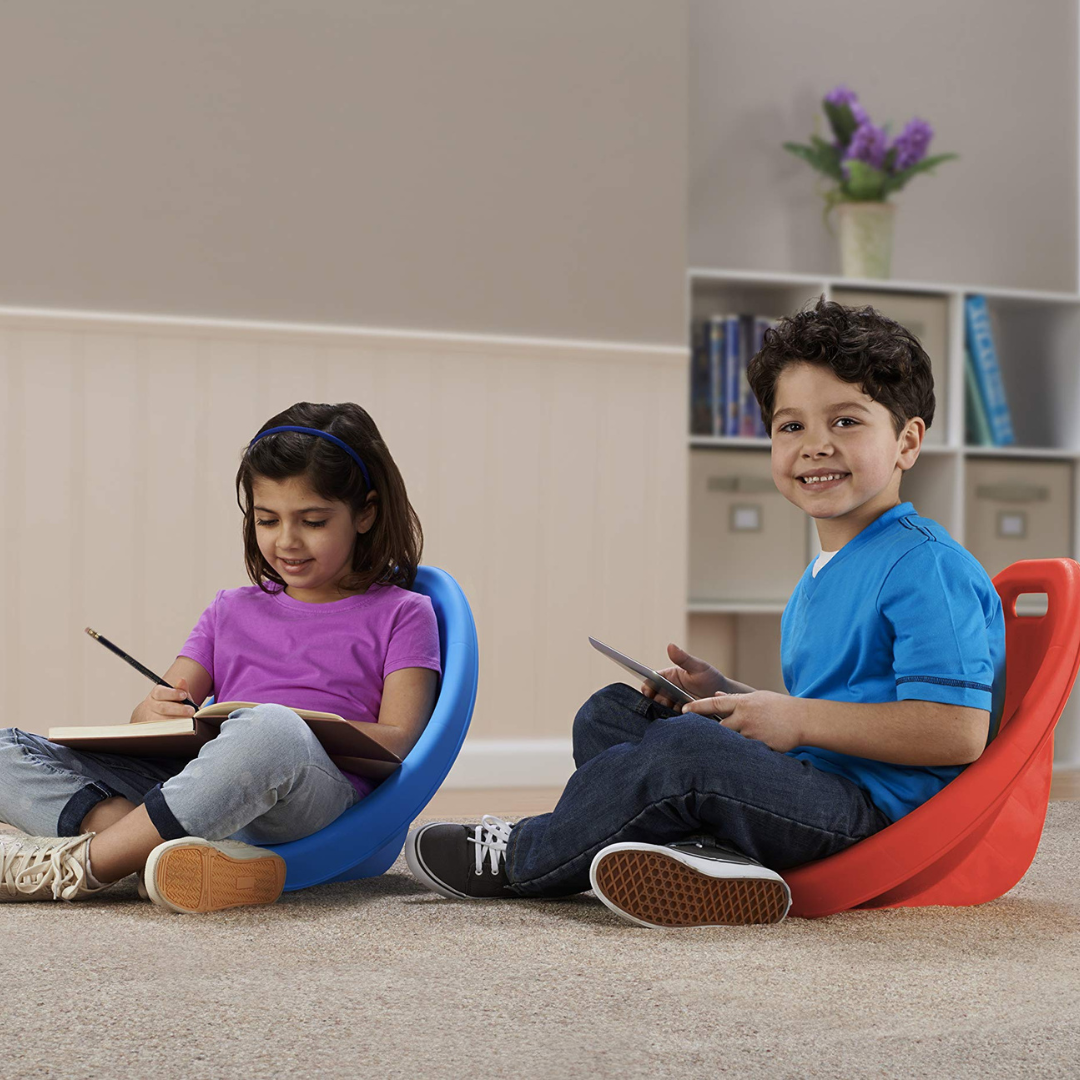
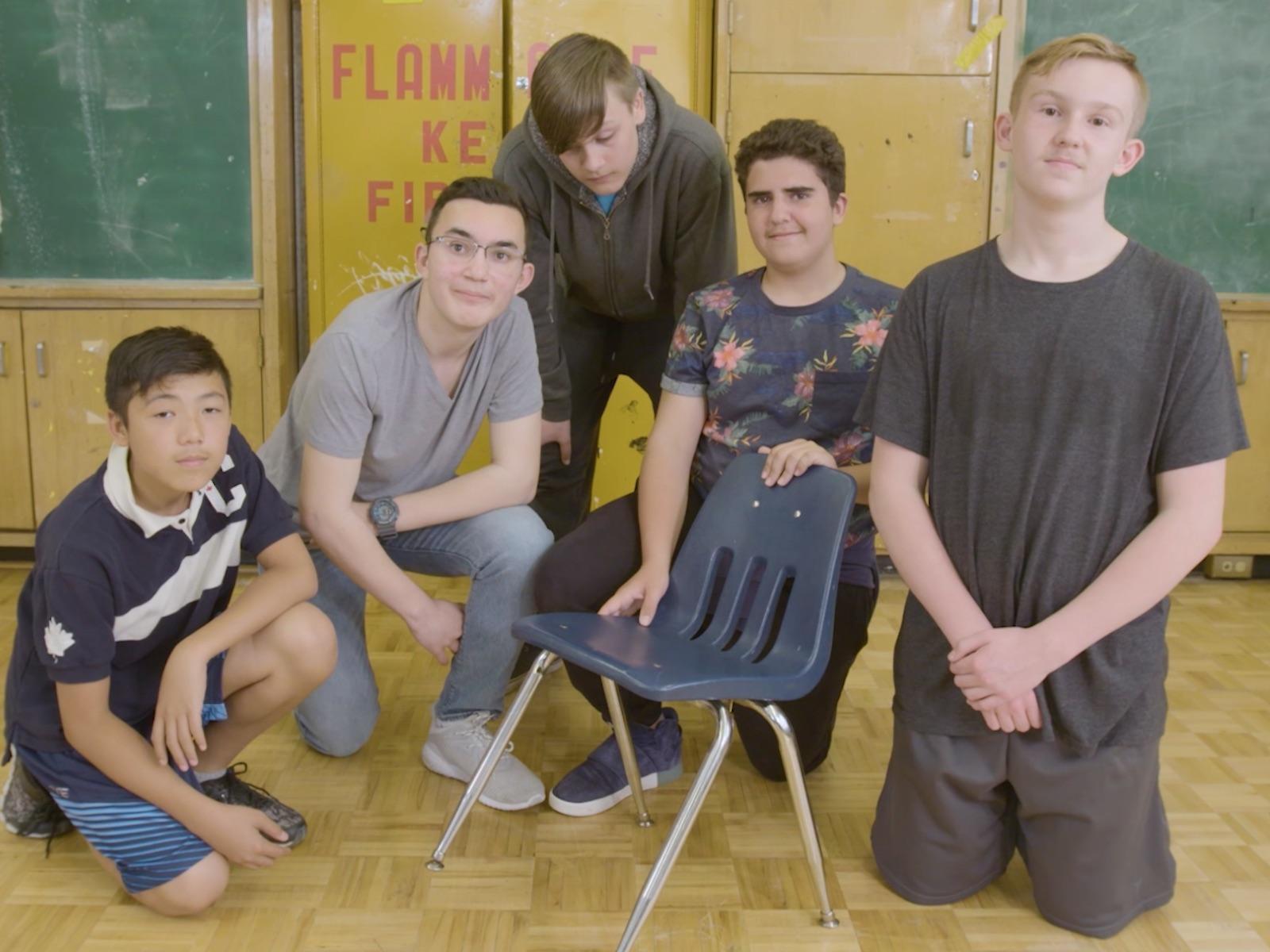
Constant Fidgeting and Chair Tipping

You might see:
Rocking on two legs
Wrapping legs around the chair
Standing up repeatedly
Leaning back dangerously
This often increases during:
Handwriting
Worksheets
Carpet time
Long teacher input
If the behaviour spikes during seated cognitive demand, that’s useful data. It may indicate sensory seeking behaviour in school, not boundary testing.
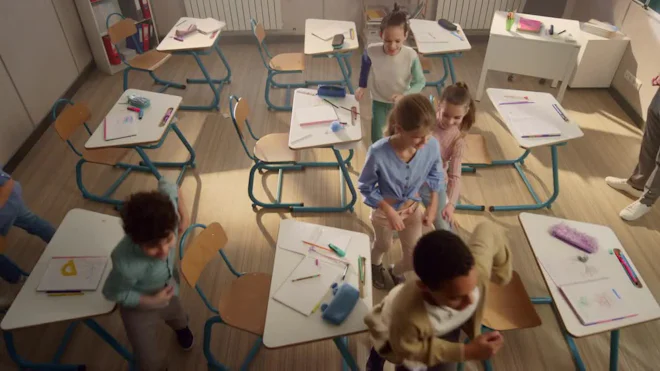
Crashing, Bumping, Heavy Movement

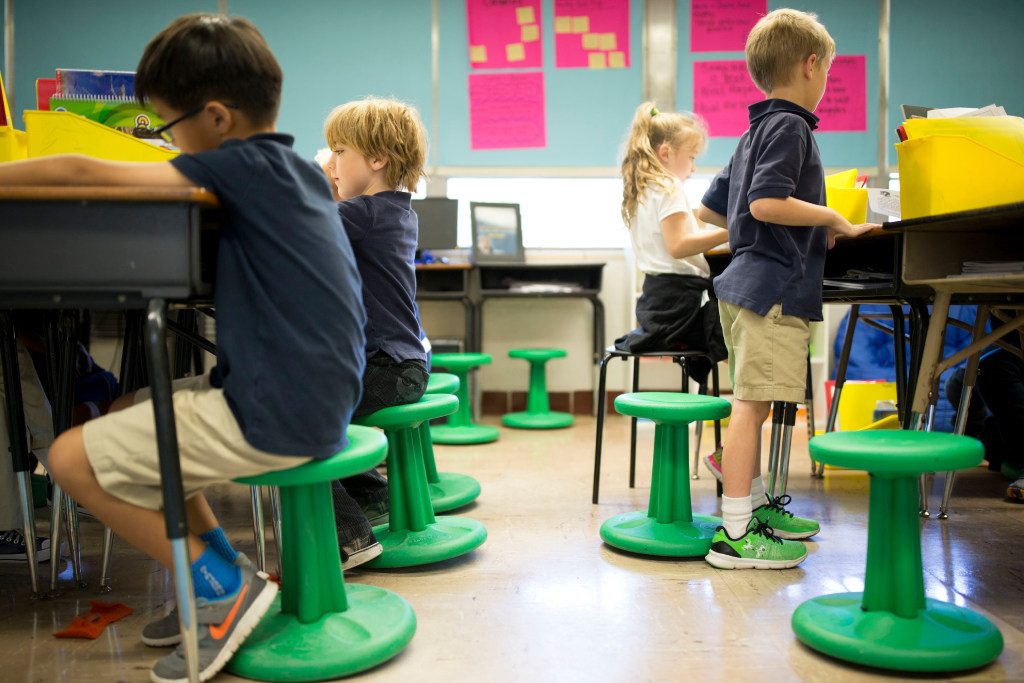
Common signs include:
Walking into desks
Heavy stomping
Rough play beyond peers’ comfort
Slamming chairs or doors
This is often a search for deep pressure or body awareness. The pupil is trying to “feel where they are” in space.
Chewing, Tapping, Noise-Making

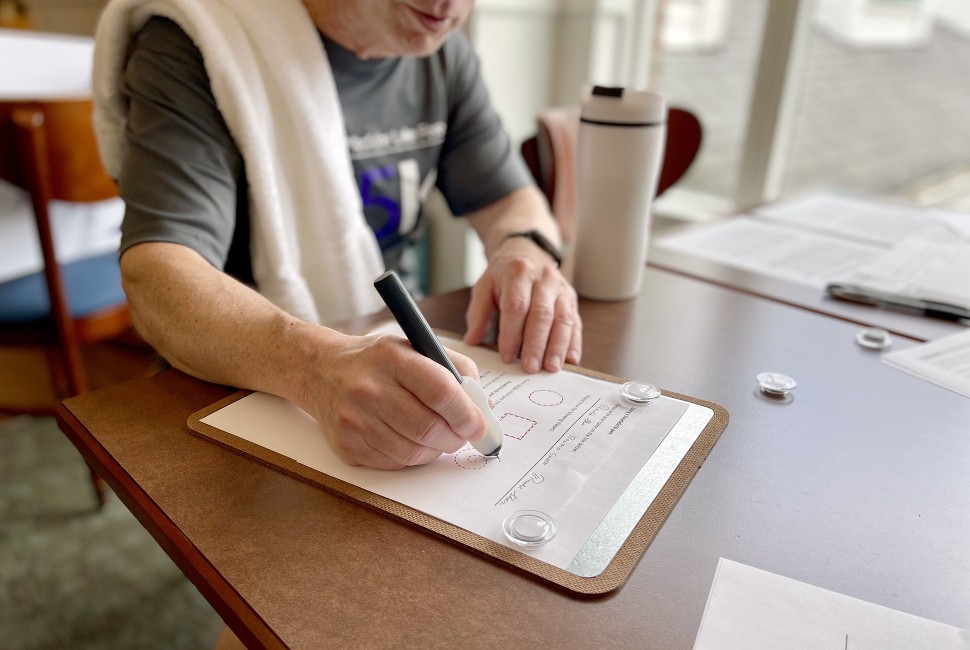

You may notice:
Destroyed pencil ends
Wet sleeves
Constant pen clicking
Humming during quiet work
Sanctions rarely reduce this — because the underlying regulation need hasn’t changed.
For NHS-based explanation of sensory processing differences, Sheffield Children’s NHS provides a useful overview:
https://www.sheffieldchildrens.nhs.uk/services/child-development-and-neurodisability/sensory-processing-difficulties/
3 Questions to Help You Spot Sensory Seeking Behaviour in School
1. Does It Happen More During Seated Tasks?
If movement increases during writing, assemblies, or transitions, regulation may be the driver.
2. Does Movement Improve Focus Afterwards?
Trial a structured movement break (2–3 minutes).
If attention improves for the next 15–20 minutes, that’s strong evidence of a sensory need.
Sensory circuits guidance (NHS example):
https://bridgewater.nhs.uk/wp-content/uploads/2021/12/Warrington-Childrens-Occupational-Therapy-A-Guide-To-Sensory-Circuits-advice-sheet.pdf
3. Is the Pupil Unaware?
If a pupil says:
“I didn’t know I was doing it.”
“I’m not moving.”
That lack of awareness matters.
What Actually Helps (Instead of Escalating Sanctions)
Planned Movement Breaks


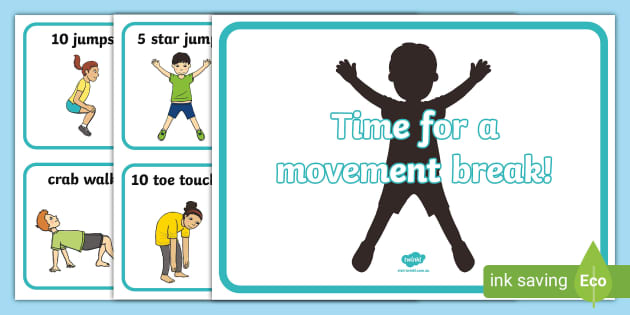
Effective examples used in schools:
Wall push-ups before writing
Carrying books to the office
Chair push-ins
Short corridor movement circuits
Playground heavy work jobs
Predictable breaks reduce anxiety and impulsive movement.
More on embedding regulation into the school day:
https://sensory-sphere.com/post/built-in-regulation-why-sensory-needs-should-be-part-of-the-school-day
Flexible Seating and Regulation Tools


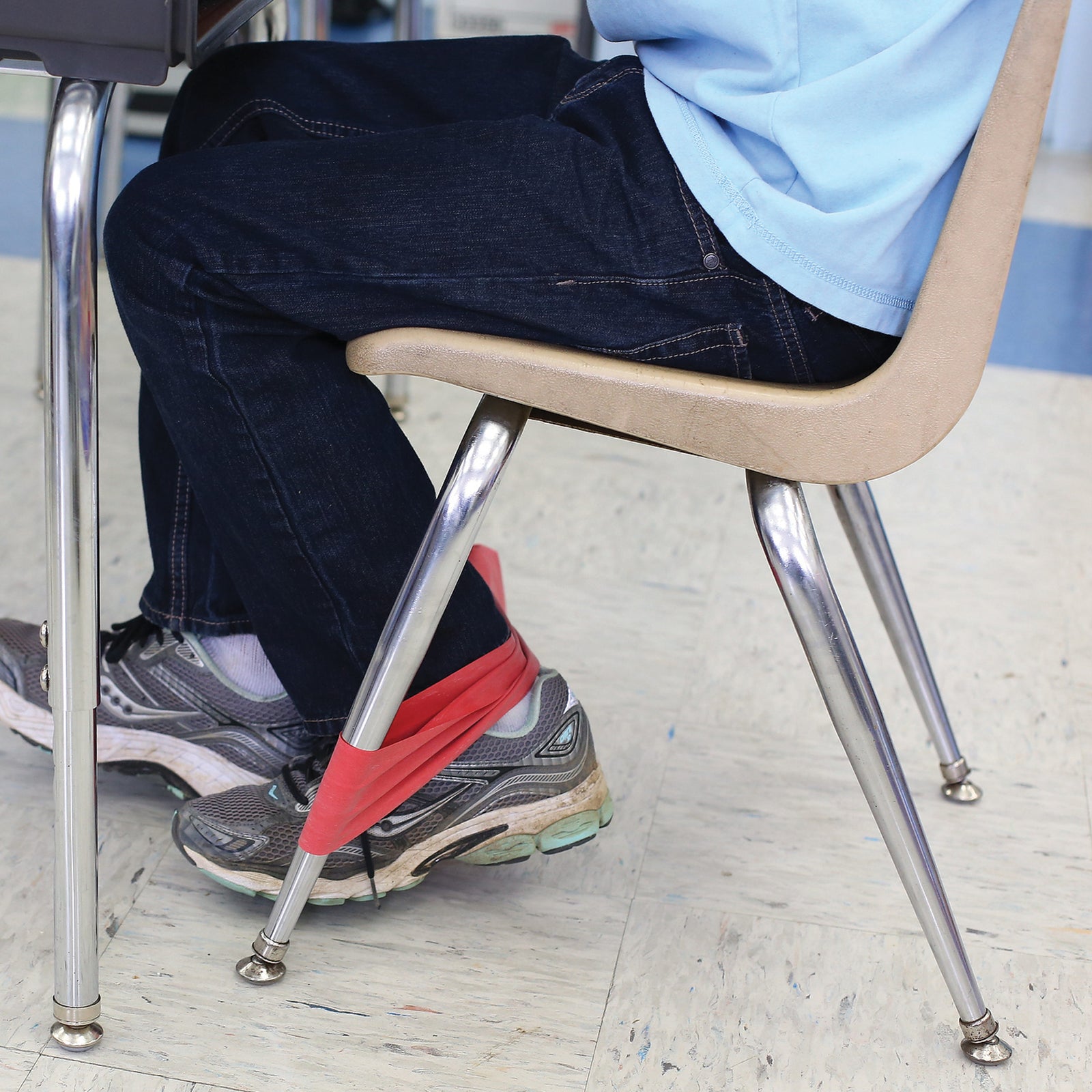
Structured options include:
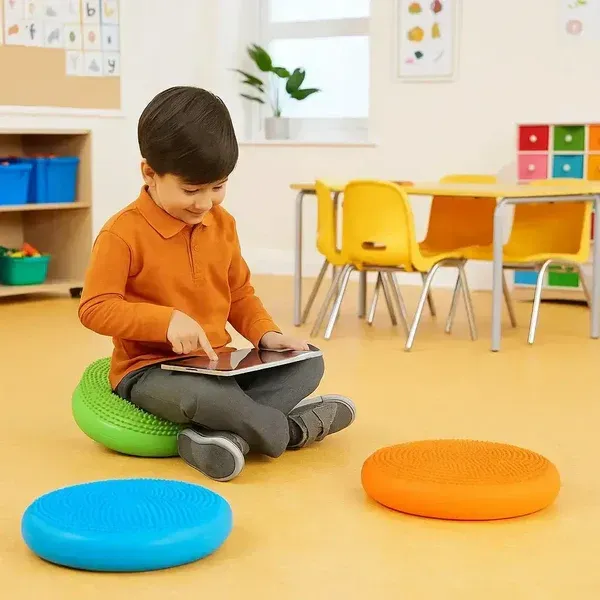
Wobble cushions (time-limited use)
Therapy putty during listening tasks
Resistance bands on chair legs
Defined calm corner with clear expectations
If you’re exploring structured sensory provision for your setting, see:
https://sensory-sphere.com/sensory-rooms-for-schools
And for common misconceptions around sensory spaces:
https://sensory-sphere.com/post/myth-busted-sensory-rooms-are-not-just-for-autism
When the Environment Is the Issue
If you notice:
Whole-class restlessness after lunch
Frequent minor incidents
Staff constantly correcting low-level disruption
Multiple pupils fidgeting simultaneously
It may not be individual behaviour. It may be an unmet sensory need across the classroom.
Before investing in a full room, consider:
A calm regulation corner
A daily sensory circuit
Shared movement routines
Visual schedules for predictability
For classroom sensory corner guidance (NHS example):
https://www.elft.nhs.uk/sites/default/files/2024-02/Sensory%20Corner%20in%20a%20Classroom%20Final.pdf
If you are planning longer-term provision, download Sensory Sphere’s free school planning resource:
https://sensory-sphere.com/free-download
A Real School Scenario
In one Irish primary school, a Year 3 pupil was on a behaviour plan for:
Chair tipping
Pencil snapping
Calling out
Staff believed he was testing limits.
We introduced:
Three scheduled heavy work breaks
Resistance band on chair
Movement circuit before writing
Within three weeks:
Incidents reduced significantly
Written output improved
Staff stress reduced
We didn’t change the child.
We changed how we responded to sensory seeking behaviour in school.
Final Thought
Not every fidget is sensory seeking.
Not every noisy moment needs analysis.
But when behaviour is predictable, task-linked, and consistent, it deserves a sensory lens.
Before labelling it “messing about,” ask:
What is this child’s nervous system asking for?
If you’re unsure whether your school needs behaviour intervention or regulation support, Sensory Sphere works with schools across Ireland and the UK to design practical, budget-conscious solutions.
Book a consultation:
https://sensory-sphere.com/contact-us
Explore school sensory spaces:
https://sensory-sphere.com/sensory-rooms-for-schools
