200 SNAs Cut in Ireland: How Schools Can Protect Student Regulation and SEN Support
When news broke of 200 SNA cuts in Ireland, principals I support across Dublin, Cork and Galway all said a version of the same thing:
“We’re already stretched. How do we keep pupils regulated and safe now?”
This isn’t abstract policy. It’s Year 3 during wet lunch. It’s a busy corridor at 1:25pm. It’s a teacher trying to de-escalate while 27 other pupils wait.
Special Needs Assistants are often the quiet backbone of inclusion. They co-regulate, scaffold transitions, support personal care, and absorb emotional spikes before they ripple through a classroom.
When that capacity shifts, the emotional climate of a school shifts with it.
The impact of SNA reductions on schools is real. But this moment also exposes something important: if regulation depends on one adult, the system is fragile.
The schools that will weather this best are those that move from 1:1 dependence to embedded, whole-school regulation systems.
Let’s look at what that means in practice.
What Do the 200 SNA Cuts Mean for Irish Schools?
The Role of SNAs in Regulation and Inclusion
In many Irish primary and post-primary settings, SNAs provide:
A co-regulating presence for autistic pupils
Transition scaffolding for children with anxiety
Sensory buffering during assemblies and yard time
A safe relational anchor when overwhelm rises
Remove that relational anchor without environmental adjustment, and nervous systems escalate.
What leaders are already reporting:
Increased classroom disruptions during unstructured times
Pupils leaving rooms without support
Emotional escalations happening faster
Teachers managing complex needs alone
This isn’t deterioration. It’s dysregulation under strain.
The Risk of Increased Dysregulation Without Adequate Support
Regulation isn’t an “add-on.” It’s the gateway to learning.
When adult regulation disappears but the environment remains overstimulating, predictable patterns emerge:
More frequent meltdowns
Heightened sensory overload
Task avoidance
Increased peer conflict
In one Cork DEIS school, after a temporary staffing gap, behaviour logs doubled in three weeks — not because needs changed, but because containment did.
The lesson: if 1:1 support reduces, environmental support must increase.
Impact on Teachers and SEN Coordinators
Teachers are already balancing:
Curriculum coverage
Differentiation
Administrative demands
Parental communication
Without structural changes, SNA cuts risk:
Teacher burnout
Reactive behaviour management
Reduced inclusion confidence
Increased referrals to external services
SEN coordinators end up firefighting instead of planning.
The shift now must be proactive regulation design.
Where Schools Are Most Vulnerable
Students With Sensory Processing Differences
Pupils with sensory processing challenges often rely on adult prompts for:
Movement breaks
Noise reduction
Task transitions
Without structured alternatives, you’ll see:
Constant movement seeking
Headphones refusal turning into distress
Avoidance of busy spaces
These pupils need environmental adaptation — not just proximity to an adult.
Autistic Pupils Requiring Co-Regulation
Autistic students often regulate through trusted relational anchors.
Remove that anchor without replacing it with:
Visual predictability
Structured transitions
Access to low-arousal space
…and anxiety rises quickly.
Predictability must now live in systems, not people.
Pupils With SEMH Needs
Children with Social, Emotional and Mental Health (SEMH) needs are especially vulnerable to relational inconsistency.
Responses may include:
Withdrawal
Heightened emotional responses
Risk-taking behaviours
Consistency must be embedded building-wide.
Mainstream Classrooms Without Regulation Spaces
This is where pressure is most visible.
If a pupil cannot regulate in class, where do they go?
Without:
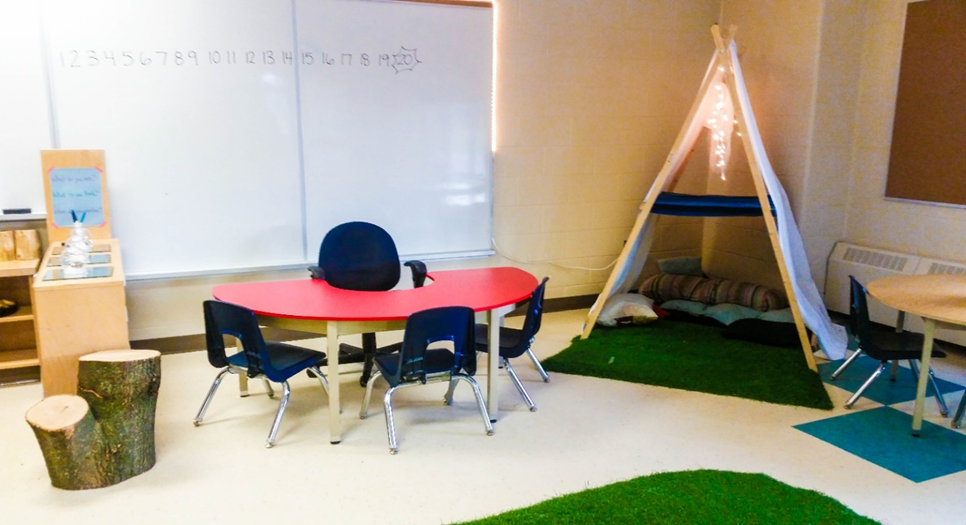
Calm corners
Withdrawal rooms
Structured sensory areas
Teachers are left choosing between safety and supervision.
That’s not sustainable.
Moving From 1:1 Support to System-Level Regulation
Why Over-Reliance on 1:1 Support Creates Fragility
When regulation sits in one adult, any absence destabilises the system.
The current SNA cuts Ireland announcement simply exposes that fragility.
Whole-school regulation capacity is more resilient.
Embedding Regulation Into the Environment
Instead of asking:
“Who will regulate this child?”
Ask:
“How does this classroom support regulation by design?”
Practical shifts I’ve implemented in Irish schools:
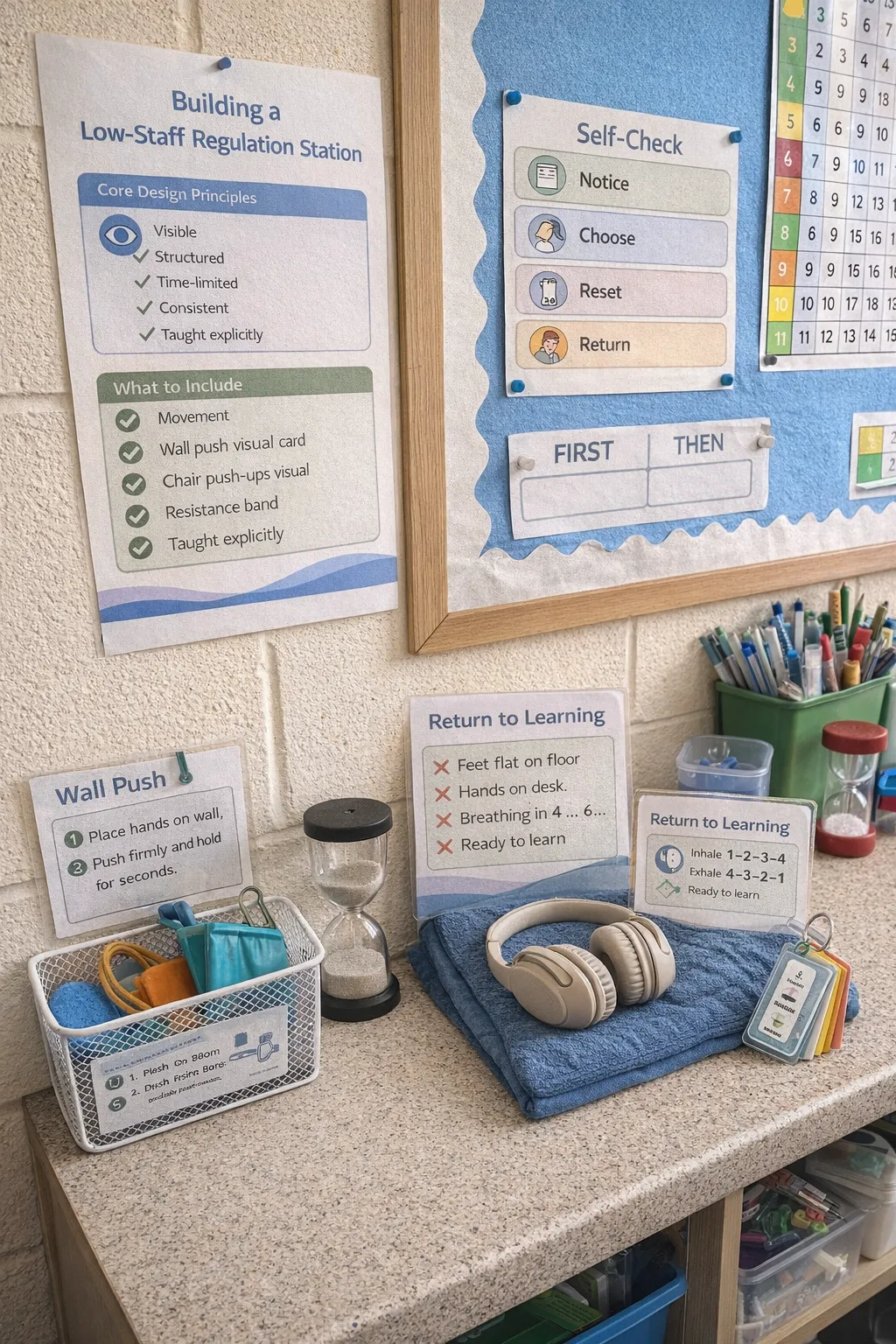
Visual daily schedules displayed at child height
Reduced wall clutter (removing up to 40% of competing visuals)
Clearly timetabled movement breaks
Quiet desk spaces available without negotiation
Predictable entry and exit routines
These changes reduce baseline stress across the room — not just for one pupil.
For practical environmental guidance, see our school resources at:
https://sensory-sphere.com
Training Staff in Co-Regulation Strategies
When SNAs reduce, shared language matters.
Whole-staff training should include:
Recognising early dysregulation cues (pacing, withdrawal, voice shift)
Tone and proximity awareness
De-escalation frameworks
Sensory-informed classroom adjustments
Regulation must become a collective competency.
Building Independent Regulation Skills in Pupils
A sustainable approach to supporting SEN students without SNAs focuses on independence:
Teaching pupils to identify regulation states
Structured use of sensory toolkits
Self-request cards for movement breaks
Visual check-in systems
Independence reduces long-term staffing strain.
The Role of Sensory Rooms and Regulation Spaces in Staffing Shortages
When staffing tightens, environment becomes your greatest ally.
Preventative vs Reactive Support
4
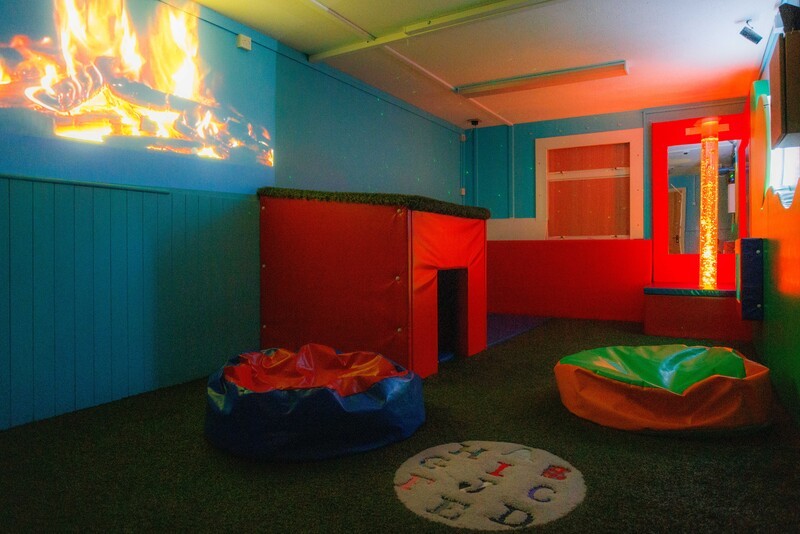
A structured sensory room allows pupils to regulate before crisis.
Preventative access reduces:
Behaviour escalations
Classroom disruption
Staff stress
In a Dublin primary school I supported, introducing a timetabled regulation space reduced behavioural incidents by 32% in one term — without increasing staffing.
Why? Because pupils had somewhere to go before overload peaked.
Creating Scalable Support for Multiple Pupils
Unlike 1:1 adult allocation, sensory rooms in Irish schools can support:
3–5 pupils across a day
Rotational access across classes
Structured short regulation blocks
This makes them scalable during staffing pressure.
For design guidance, see:
https://sensory-sphere.com/sensory-rooms-for-schools
Data Schools Can Use to Evidence Impact
Track:
Incident reports before/after implementation
Time out-of-class data
Teacher stress surveys
Parent feedback
This strengthens future NCSE and resource applications.
A Practical Action Plan for School Leaders
Following the impact of SNA reductions on schools, I recommend:
1. Conduct a Regulation Audit
Ask:
Where do pupils go when overwhelmed?
Are staff confident in co-regulation?
Do classrooms have sensory supports?
Is access preventative or reactive?
Download a free checklist here:
https://sensory-sphere.com/regulation-audit
2. Prioritise High-Impact Environmental Adjustments
Quick wins:
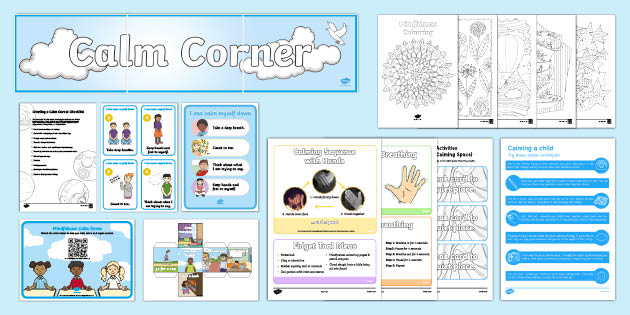
Defined calm corners in every classroom
Visual timetables standardised across year groups
Noise-reducing headphones available centrally
Scheduled movement breaks embedded into timetables
These cost far less than additional staffing.
3. Train Before Crisis
Do not wait for escalation.
Invest in:
Whole-staff regulation training
SEN team planning sessions
Shared de-escalation protocols
Consistency reduces pressure across the building.
4. Communicate With Parents
Be transparent about:
Environmental adjustments made
Regulation supports introduced
Clear escalation pathways
Parents tolerate uncertainty better when they see structure.
Turning a Crisis Into a Catalyst for Smarter SEN Provision
The SNA cuts Ireland announcement is unsettling.
But schools that shift toward:
Embedded regulation design
Environmental sensory supports
Staff-wide co-regulation confidence
Scalable regulation spaces
…often emerge more resilient.
Support does not disappear when systems are strong.
Conclusion
Yes, the reduction of 200 SNAs places real pressure on Irish schools.
But regulation does not sit in one adult.
It sits in culture, environment and shared skill.
By strengthening whole-school regulation systems, leaders can:
Protect inclusion
Reduce escalation
Support staff wellbeing
Maintain stability during staffing shifts
If you want structured, practitioner-led guidance on building sustainable regulation systems during staffing shortages:
Request a free Regulation Audit Checklist: https://sensory-sphere.com
Book a Regulation Strategy Consultation
Download our guide: Designing Regulation Systems When Staffing Is Limited
Support Without Burnout.
Let’s build systems that hold — even when staffing shifts.
